Recent Accident? We offer same-day evaluations." Get evaluated today.
Explore our comprehensive clinical ecosystem designed for complex trauma management and objective neurological recovery.

Medical Consult
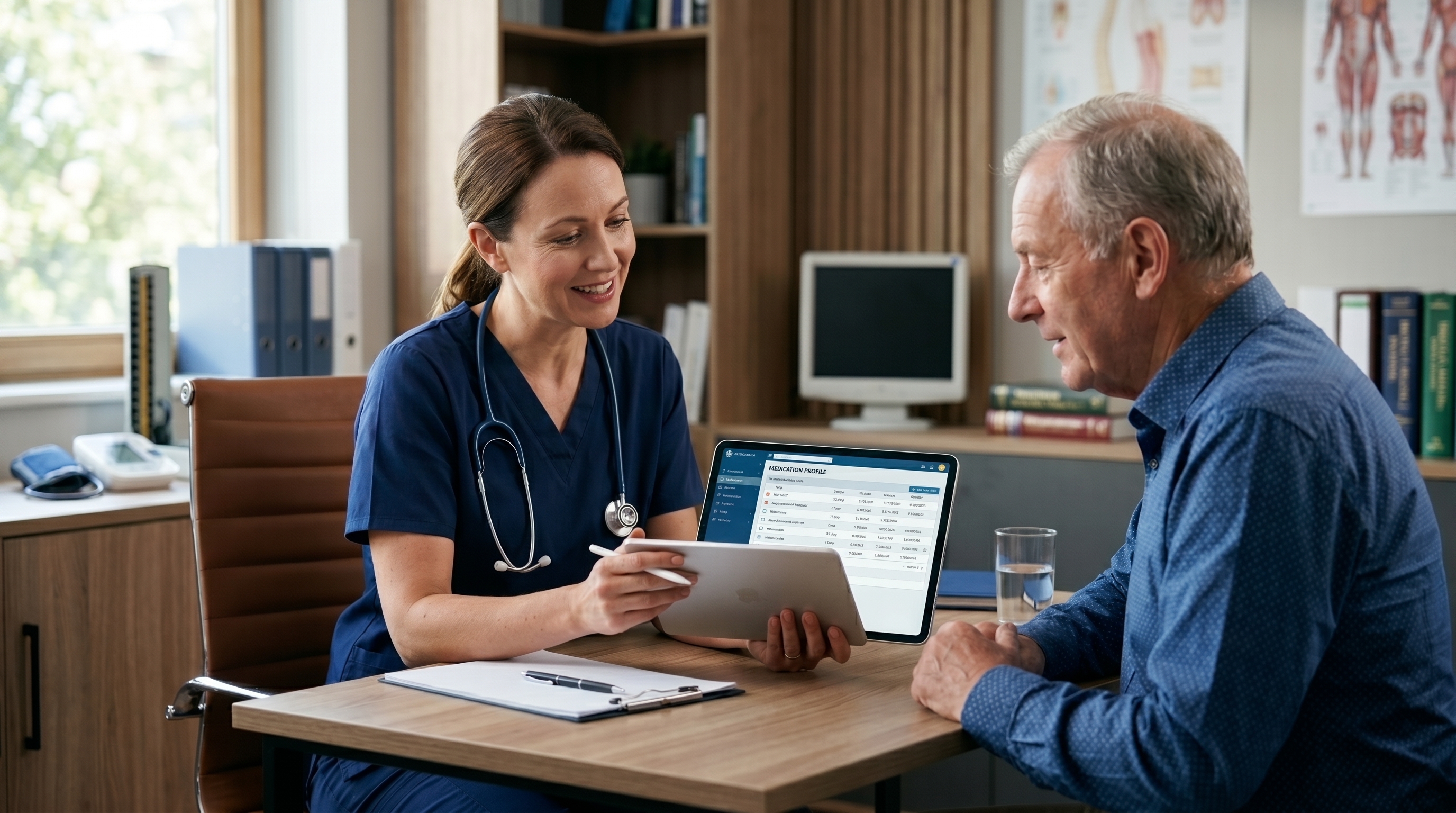
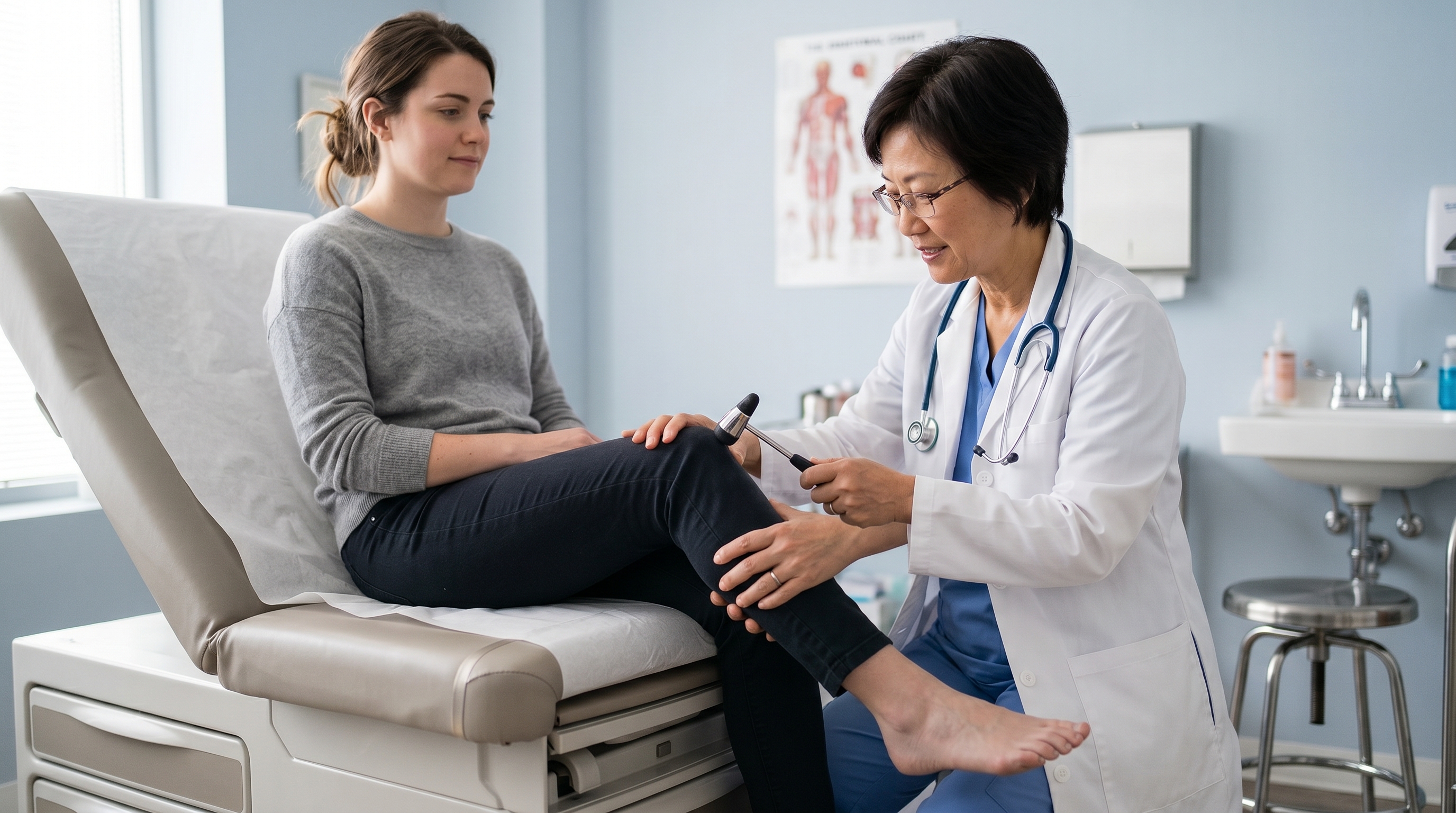
Every patient pathway begins with an acute trauma assessment conducted by board-certified physicians. This phase is critical for identifying "delayed-onset" symptoms that often bypass general emergency screening.
Acute Triage
Head-to-toe physical examination focusing on biomechanical abnormalities and focal neurological deficits.
Neurological Baseline
Standardized screening for vestibular, cognitive, and autonomic dysfunction following sudden acceleration-deceleration events.
Pharmacological Management
Targeted medication protocols to manage acute inflammation and prevent the sensitization of the central nervous system.
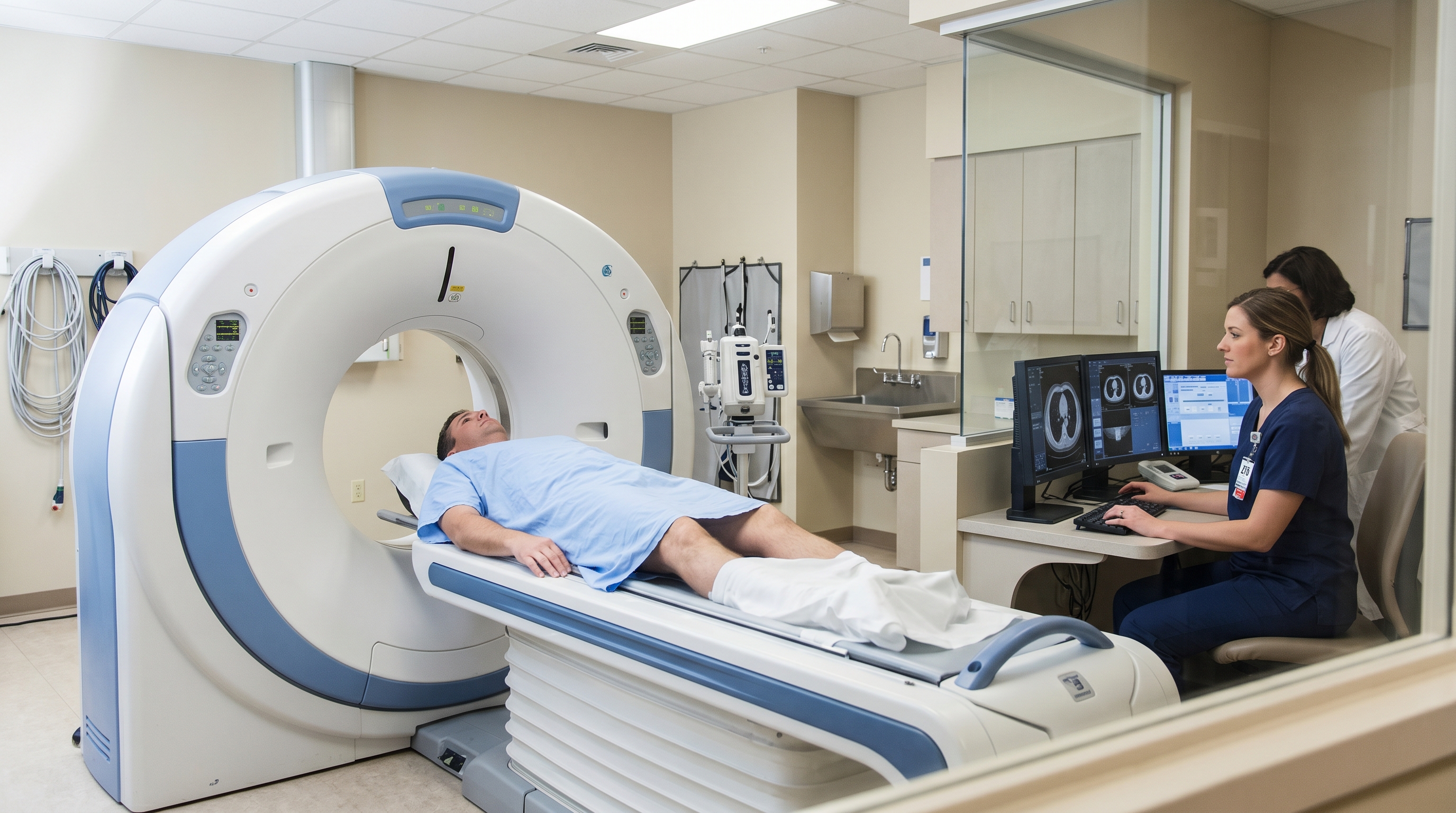
Advance Health Solutions integrates a sophisticated network of diagnostic facilities equipped with high-resolution technology.
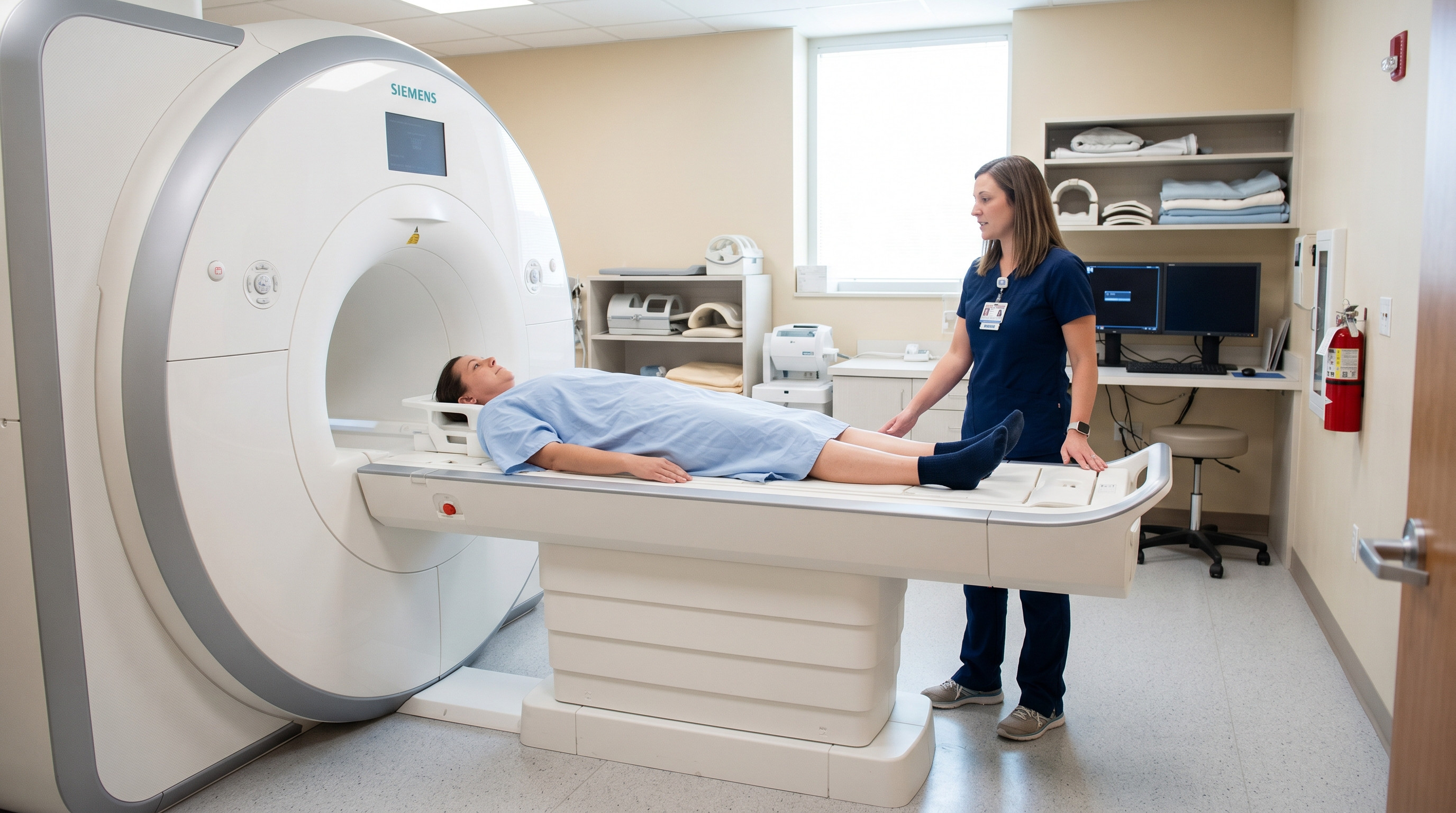
Magnetic Resonance Imaging (MRI)
Focused protocols for detecting disc herniations, ligamentous laxity, and micro-trauma in the spinal column.
Computerized Tomography (CT) Scans
Critical for rapid assessment of acute bone trauma, internal hemorrhaging, and structural instability following high-impact collisions.
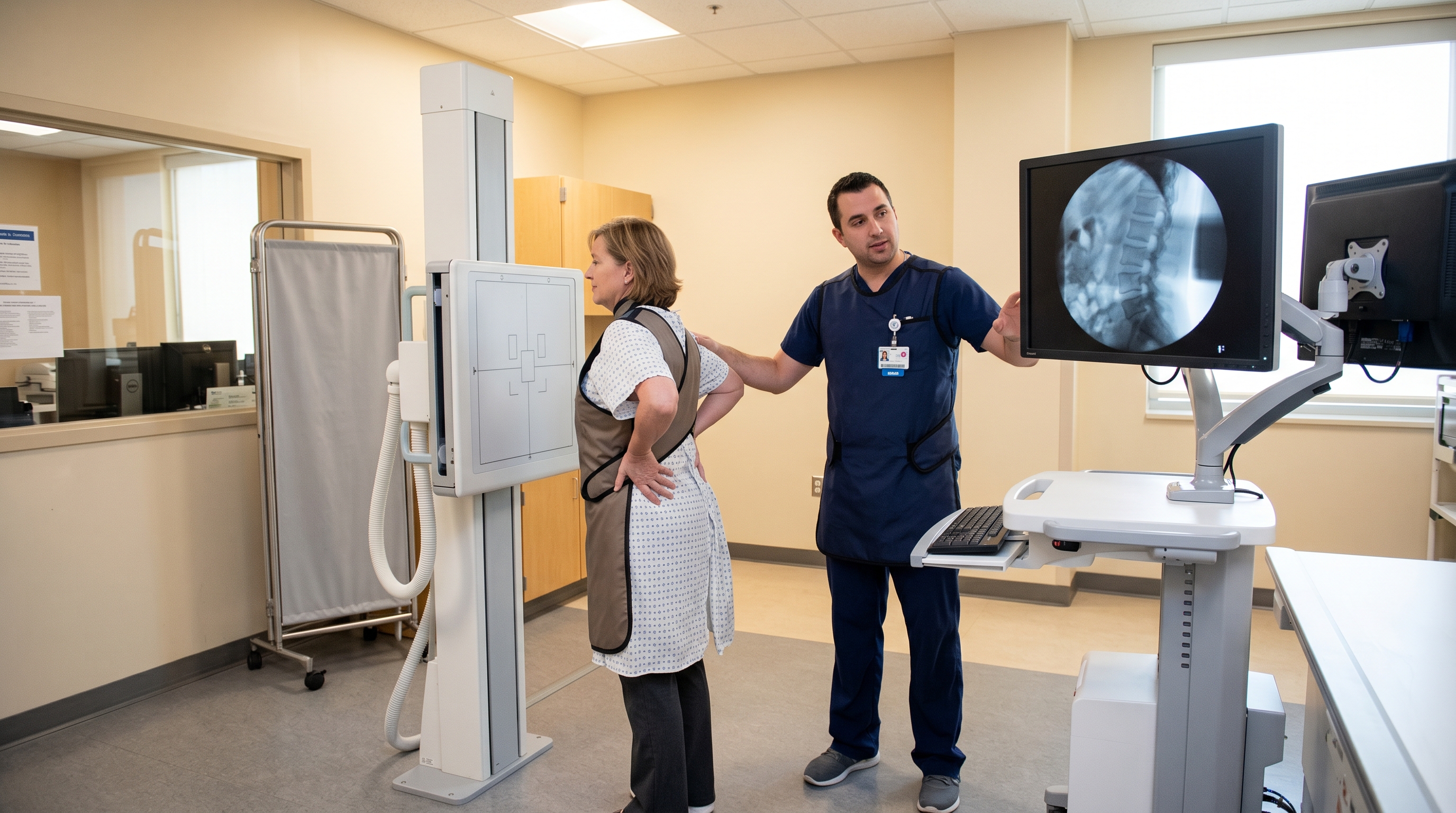
Digital Motion X-Ray (DMX)
Unlike static X-rays, DMX captures the spine in motion, allowing our specialists to identify ligamentous laxity and instability.
Diagnostic Imaging
Neuro-Diagnostics
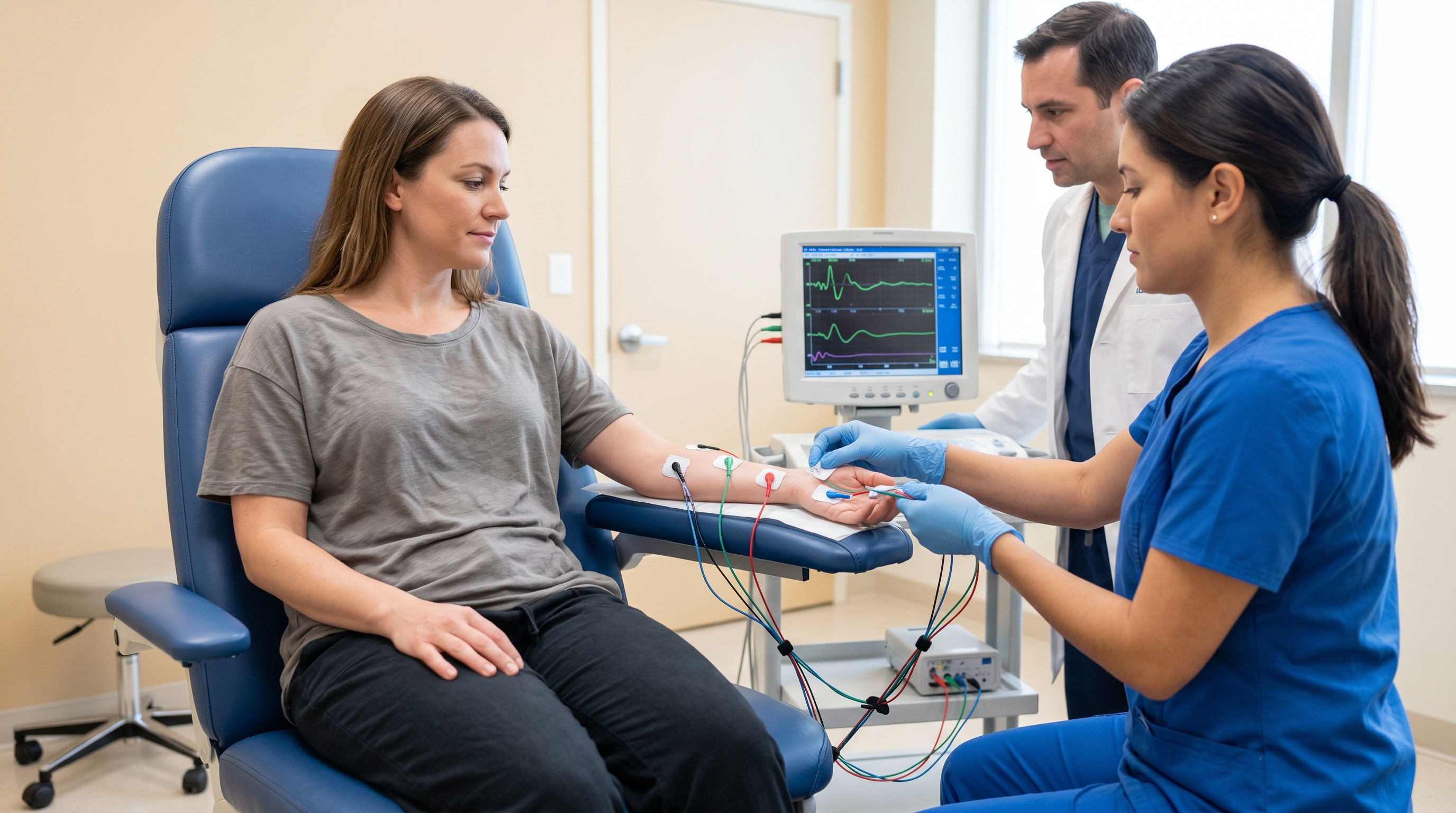
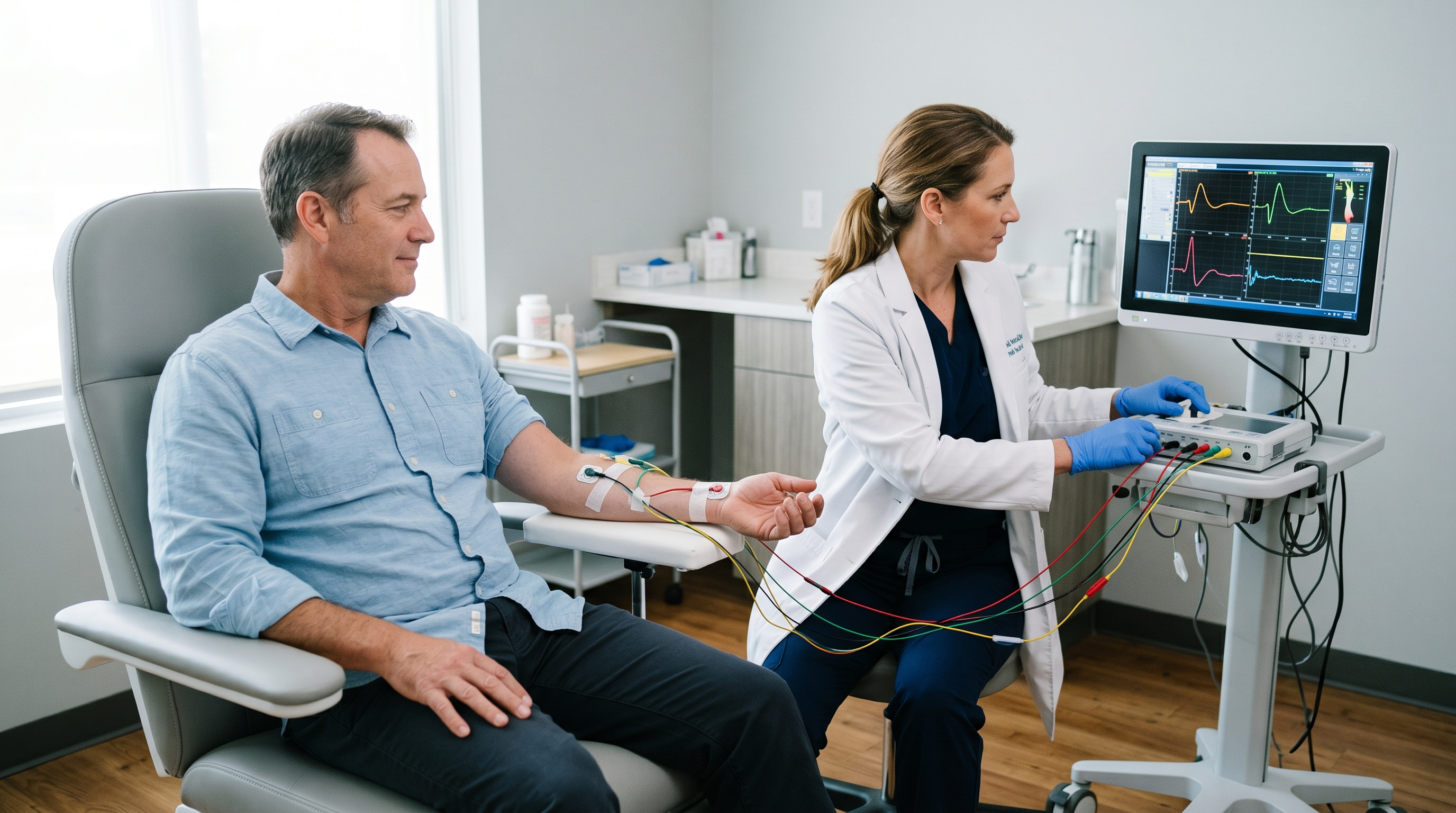
Electrodiagnostic Testing (NCV/EMG)
Assessment of nerve conduction velocities and muscle response to identify nerve root impingement or peripheral nerve damage.
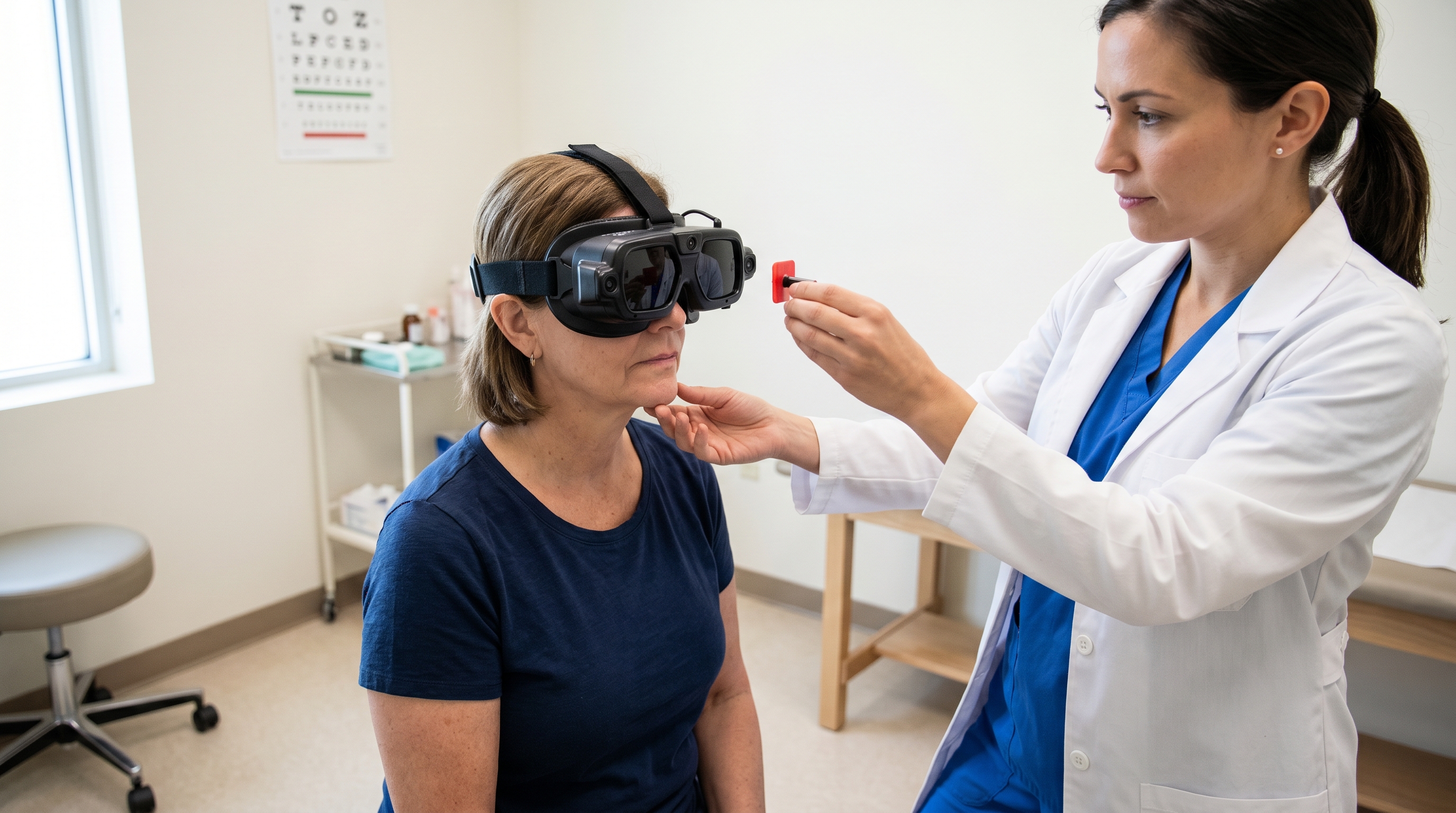
Vestibular & Neuro-Cognitive Testing
Specialized screenings for post-concussive syndrome that measure balance, reaction time, and cognitive processing speeds.
For patients with structural pathology or recalcitrant pain, our network provides direct access to high-acuity specialists.
Neurology
Specialized management of TBI and post-concussive syndrome, focusing on neuroplasticity and cognitive recovery.
Orthopedic & Spinal Surgery
Surgical consultation and intervention for cases involving mechanical instability or severe structural compromise.
Interventional Pain Management
Utilizing fluoroscopically guided procedures to target the physiological source of pain and facilitate rehabilitation.

Specialized Interventional Care
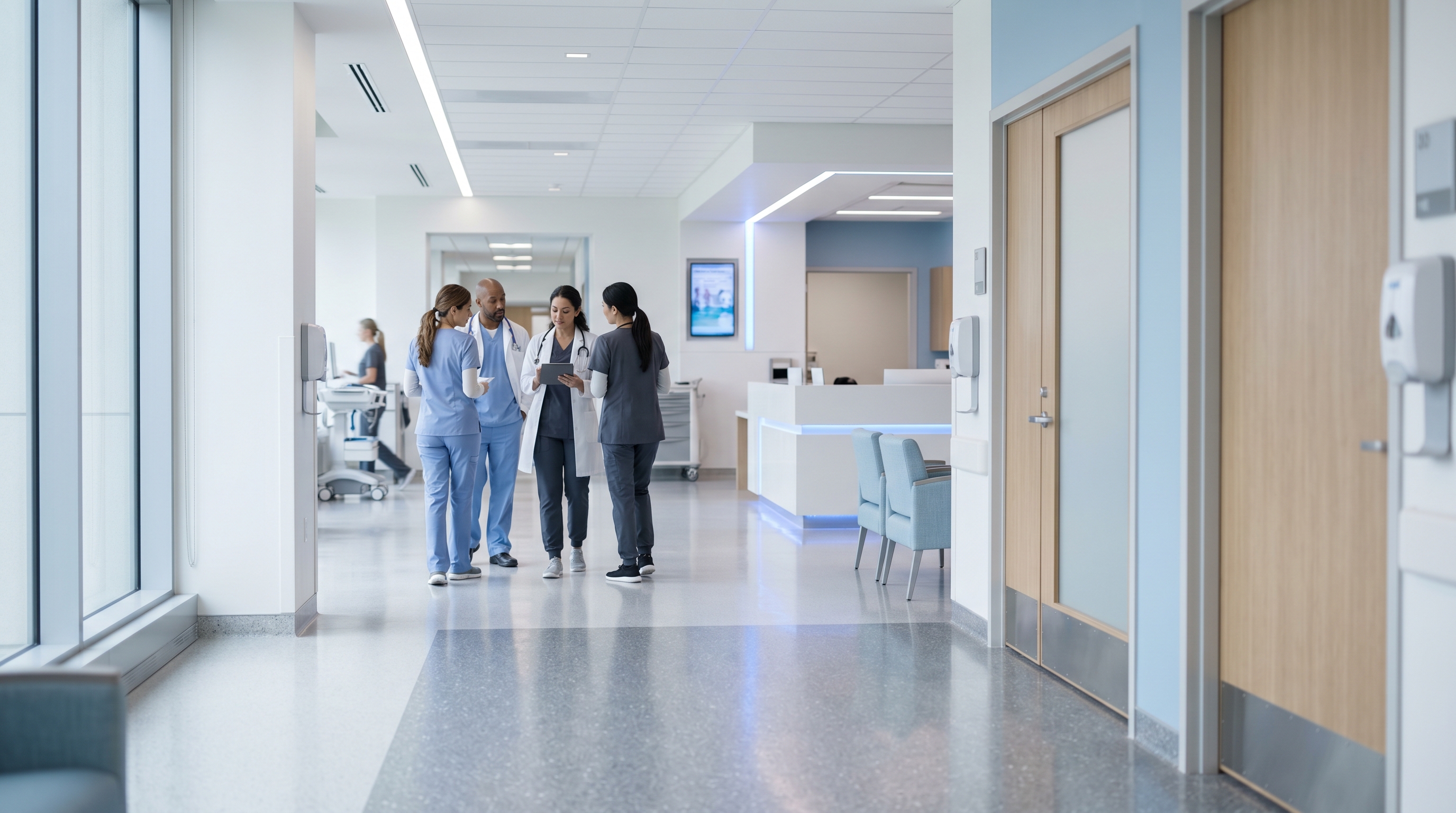

We treat rehabilitation as a tiered physiological process. We don't just "prescribe exercises"—we manage the body's natural healing cycle to ensure long-term biomechanical stability.
The primary goal in the first 1–3 weeks post-injury is to reduce nociceptive (pain) signals and manage swelling.
Modality Integration: Utilizing cryotherapy, electrical stimulation (TENS/IFC), and ultrasound to calm the nervous system. Range of Motion (ROM): Gentle, therapist-guided movements.
Once inflammation is controlled, we focus on re-establishing normal movement patterns and joint mobility.
Manual Therapy: Hands-on joint mobilization and myofascial release. Proprioceptive Training: Balance and coordination drills, essential for mTBI/Concussion recovery.
The final stage of rehab focuses on strengthening the muscles that support the injured area to prevent re-injury.
Progressive Resistance: Targeted loading of the spinal stabilizers. Functional Re-training: Mimicking daily activities to ensure the patient is fit for daily life.

Pharmacy
Excellence


Our participating network pharmacies are specifically aligned with the AHS medical-legal model. This ensures that the clinical need for stabilization is never compromised by upfront costs or traditional insurance "red tape."
Direct-to-Pharmacy Authorization
Once the physician prescribes a medication, the authorization is sent directly to our network of pharmacies.
No Out-of-Pocket Cost
Medications are provided at $0 upfront cost to the patient, shifting the financial burden away from the victim during their recovery.
Elimination of Reimbursement Delays
Patients don't have to pay and wait for insurance reimbursement; the network handles the back-end billing complexities directly.
Rapid deployment of non-steroidal anti-inflammatories (NSAIDs) and corticosteroids to reduce the chemical 'soup' of cytokines that causes secondary tissue damage.
For patients with nerve root impingement or radiculopathy, doctors may utilize gabapentinoids or tricyclic antidepressants to 'calm' overactive nerve pathways.
Targeted skeletal muscle relaxants to address the protective 'guarding' reflex that often follows whiplash or spinal trauma.
Doctors prioritize non-addictive, multimodal analgesia to manage pain while minimizing the risk of dependency or central nervous system depression.
Expert Trauma Management in action. Request an immediate consultation to see how our accelerated intake and specialist coordination ensures no time is lost in your recovery journey